Baltic MR01: The Democratisation of Micro-Rotor Architecture Explained
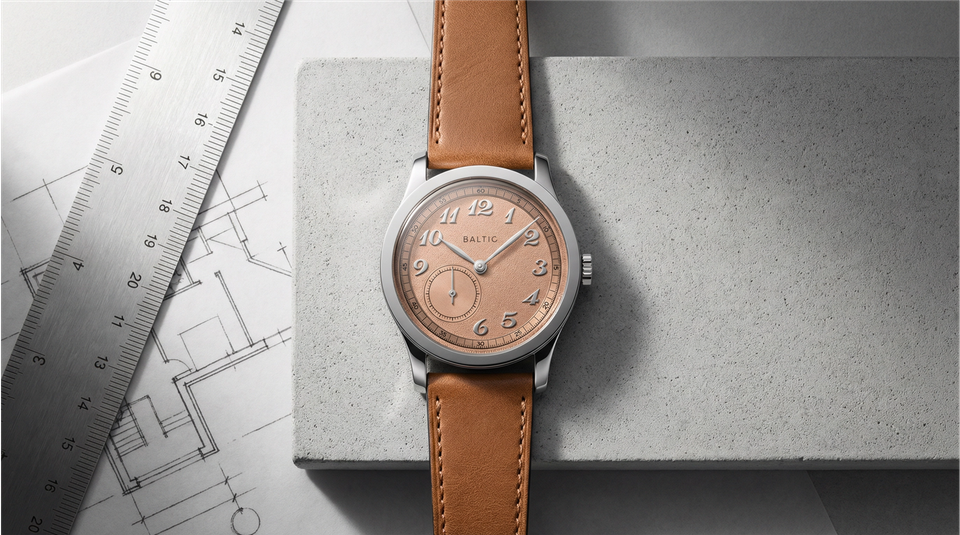
You hold a watch that feels thinner and smarter than it should, and you want to know why. I’ll show how Baltic packed a micro-rotor automatic into an affordable, elegant case and why that matters for anyone who cares about thoughtful watch design. The MR01 makes micro-rotor architecture accessible without the usual high price, giving you a true automatic thinness plus visible movement details usually found only in far more expensive watches.
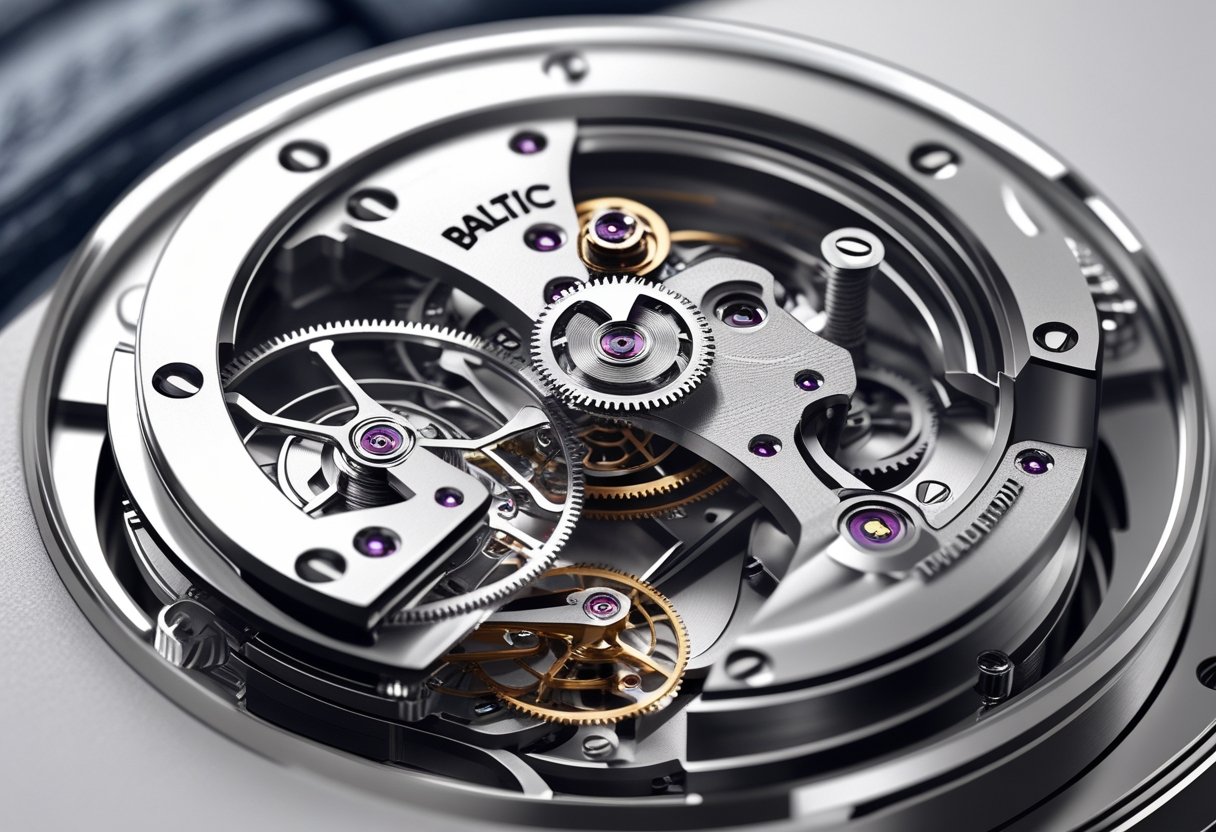
I’ll walk through the movement that powers it, the design choices that nod to vintage dress watches, and the small finishing touches that lift the whole package. Expect clear comparisons, practical takeaways, and a straight look at why this model changes what you can expect from watches under €700.
Key Takeaways
- Baltic delivers micro-rotor thinness and visible movement appeal at an uncommon price.
- The MR01 blends classic dress styling with modern finishing for strong visual presence.
- The watch offers real mechanical interest through a unique automatic caliber and careful detailing.
The Baltic MR01: Redefining Access to Micro-Rotor Movements
I tested the Baltic MR01 and tracked its market impact. The watch pairs a vintage-inspired dress watch look with a true micro-rotor caliber, and it pushed a typically rare movement into an affordable price band.
Origins and Release of the Baltic MR01
I noted Baltic unveiled the MR01 in 2021 as a compact, 36 mm dress watch that uses a Hangzhou micro-rotor automatic. Baltic positioned it as a limited run — 200 pieces per color — which created quick demand and fast sell-outs. The MR01 kept traditional elements: Breguet-style applied numerals, a small off-center seconds, and a grained dial finish. These details tied it closely to classic Calatrava-style designs while keeping the case thin for an automatic.
The movement choice mattered. The micro-rotor lets the movement sit lower in the case, so Baltic achieved a slim profile near 9.9 mm thick to the crystal. Baltic priced the MR01 around €545, which put micro-rotor tech within reach of many buyers who usually only see such movements in watches costing several thousand euros. I found that combination of vintage cues and modern value defined the watch’s initial appeal.
The Philosophy Behind the MR01
When I examine Baltic’s approach, I see deliberate design choices to make a vintage-inspired watch feel contemporary yet accessible. The MR01 pairs classic dress proportions with a display case back that shows the micro-rotor movement. That choice signals they wanted to celebrate the mechanical detail, not hide it.
Baltic focused on balanced finishing: polished upper surfaces, brushed sides, and a stamped grain center dial. These elements raise perceived quality without massive cost increases. I believe the brand’s philosophy was to prioritize experience — thin automatic convenience, visual movement interest, and period styling — so more people could enjoy micro-rotor architecture without paying luxury-level prices.
Influence on the Microbrand Market
I watched other microbrands and enthusiasts react quickly. The MR01 highlighted that uncommon engineering choices can sell at accessible prices. After its release, discussions and reviews compared Baltic’s value proposition to more expensive brands and to typical microbrand automatics with standard rotors.
The MR01 nudged the market toward offering more mechanically interesting options in the sub-$1,000 segment. I saw increased interest in alternative calibers and in bringing refined dress-watch traits — applied numerals, grained dials, and compact sizing — back into small-brand catalogs. Baltic’s move made it clearer that a vintage-inspired watch could also be a technical talking point, not just a style choice.
Micro-Rotor Architecture: Technology and Design
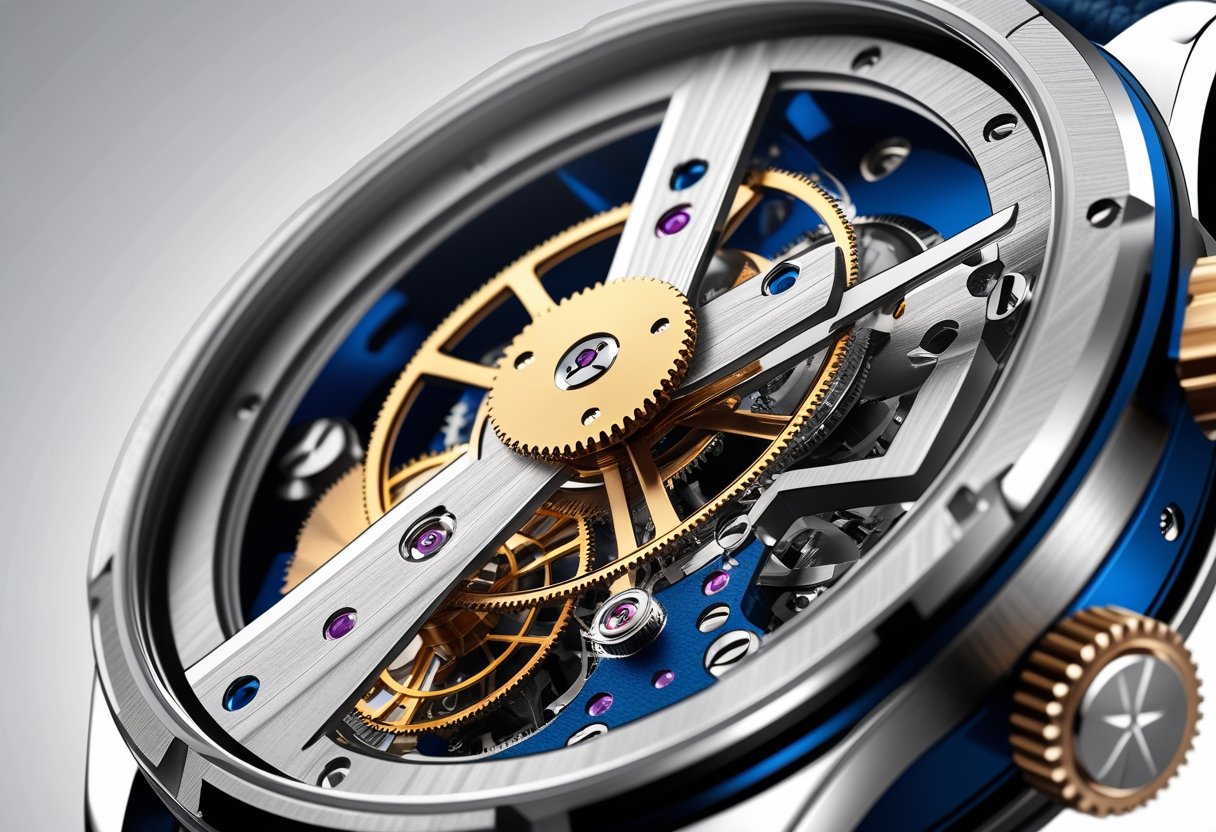
I focus on how micro-rotor systems pack automatic winding into thinner movements, why that matters for dress watches, and which historic and modern examples shaped the layout.
Understanding Micro-Rotor Automatic Movements
A micro-rotor is a small oscillating weight built into the movement plane instead of on top of it. This lets the movement stay thinner while remaining automatic. I look at examples like the Hangzhou-based calibers used in recent microbrands and classic designs that aim for a slim automatic movement without sacrificing a visible movement layout.
Micro-rotors sit within the bridges and plates, so watchmakers must balance rotor mass, clearance, and winding efficiency. Benefits include a thinner case profile and a less obstructed view of the movement through a display back. Downsides can be slightly slower winding and more complicated assembly than a full-size rotor.
Key technical points:
- Rotor diameter typically 40–60% of a full rotor.
- Winding efficiency depends on weight distribution and bearing friction.
- Often paired with higher-beat or well-finished components to feel premium despite compact size.
Comparison with Conventional Automatic Rotors
A conventional full-size rotor winds more efficiently because it has a larger moment of inertia. I compare the two on thickness, aesthetics, and service complexity. Full rotors are simple to design and wind reliably, but they add height and hide much of the movement’s finishing.
Micro-rotor automatic movements trade raw winding torque for slimness and visual appeal. For dress pieces like a Calatrava ref. 96–style watch or Polerouter-derived designs, that trade-off favors case thinness and classical proportions. In contrast, sports automatic watches often keep full rotors for better winding under active wear.
Practical differences:
- Thickness: micro-rotor movements can reduce case height by several millimeters.
- Visibility: micro-rotors leave bridges and gear train more exposed.
- Maintenance: micro-rotors require careful balancing; repair cost can be higher due to tighter tolerances.
Historical Milestones in Micro-Rotor Movement Development
Micro-rotor architecture dates back to the mid-20th century. I trace the line from early innovations to modern reinterpretations that influenced brands and watchmakers. Universal Genève’s Polerouter and its micro-rotor examples helped prove the concept in the 1950s and 1960s.
Later, high-end houses and independent makers refined the idea. Bvlgari’s Octo Finissimo and some thin automatic Calatrava-inspired pieces pushed micro-rotor and slim automatic movement thinking into contemporary luxury. More recently, niche manufacturers and microbrands have adopted micro-rotor automatics to offer slim automatic watches at accessible prices.
Notable milestones:
- 1950s: Polerouter-type movements show practical micro-rotor use.
- Late 20th century: Haute horlogerie adapts micro-rotors for ultra-thin automatics.
- 2010s–present: Renewed interest from both luxury makers and microbrands democratizes micro-rotor architecture.
Movement Spotlight: Hangzhou ELA05MN
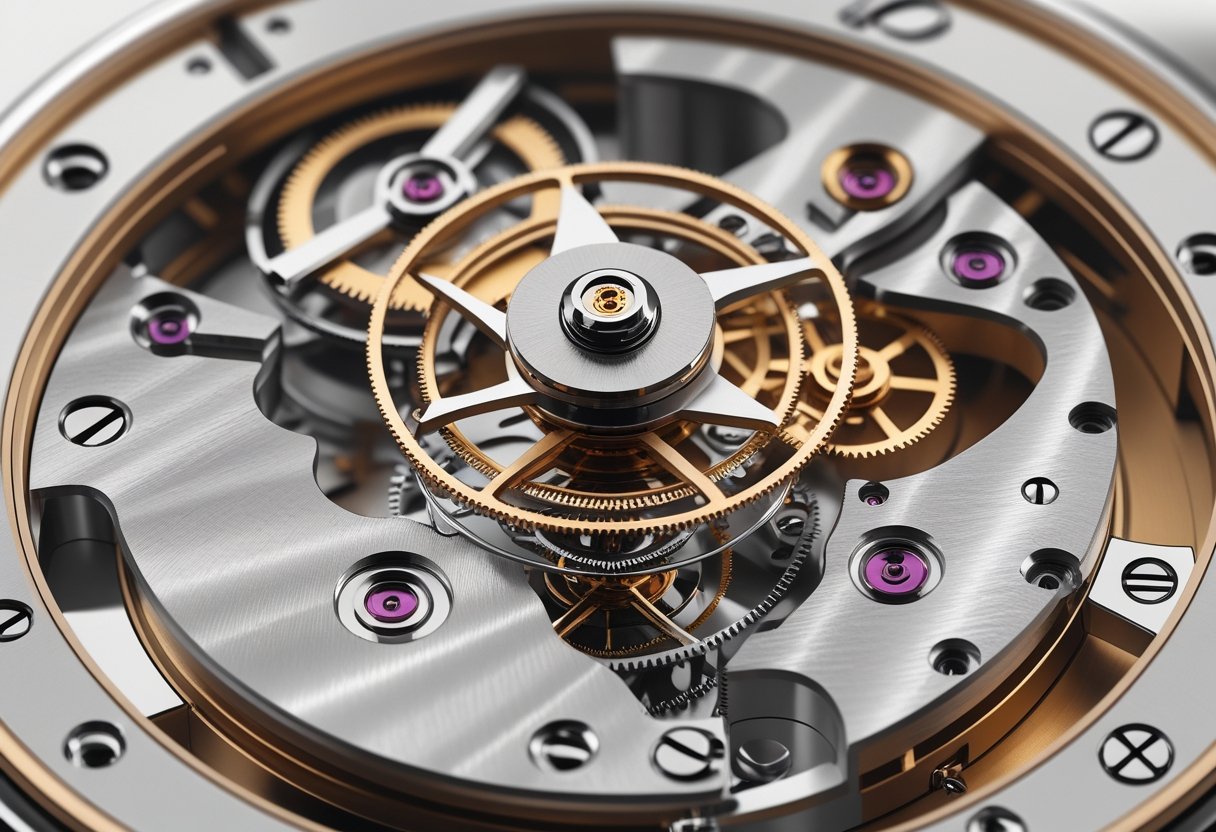
I focus on the Hangzhou ELA05MN because it brings a true micro-rotor layout to an affordable watch. It is thin, automatic, and built to show most of its architecture through a display back. The movement shapes the MR01’s size, feel, and daily use.
ELA05MN: Technical Specifications
I list the core specs so you see what the Hangzhou ELA05MN offers at a glance:
- Type: automatic micro-rotor
- Jewels: 30
- Frequency: 28,800 bph (4 Hz)
- Power reserve: ~42 hours
- Small seconds: off-center layout
- Thickness effect: movement sits low to allow an 8–9.9 mm case height on the MR01
These numbers matter. The 4 Hz beat gives a smooth seconds sweep and reliable timekeeping potential. The 42-hour reserve is enough for weekend wear and keeps the watch running without daily winding. The off-center small seconds changes dial balance but exposes more of the movement visually. The micro-rotor architecture reduces overall movement height, which is why Baltic could make the MR01 slim while retaining automatic winding.
Decorative Elements and Finishing
I describe finishes that stand out when you flip the MR01 over. Hangzhou Watch Factory outfits the ELA05MN with visible plating and brushing. You’ll see radial “Côtes de Genève” style graining on bridges, perlage under the balance, and a gold-toned branded rotor on many examples.
Color contrasts help the presentation: blued screws, red rubies, and gilt gears pop against frosted or bright metal plates. The finishing is honest rather than haute horlogerie — attractive at typical viewing distance but not mirror-perfect under loupe inspection. Baltic’s slight customization, like a signed rotor, improves the visual story without changing core performance. That balance of decoration and affordability drives the MR01’s appeal.
Performance and Functionality
I examine how the ELA05MN behaves day to day. The automatic winding with a micro-rotor gives practical convenience: it winds while you wear it but keeps a thin profile. Winding efficiency is good for normal wrist movement, though micro-rotors can wind a bit slower than full-sized rotors in some situations.
Timekeeping potential is solid thanks to 28,800 bph, which helps stability and easier regulation. The 42-hour reserve means you can leave the watch off for a day and still have it run. The off-center seconds does not affect function but provides a classical visual cue. Maintenance will follow typical mechanical schedules; because it’s from Hangzhou Watch Factory, serviceability is reasonable where parts and watchmakers familiar with Chinese calibers are available.
Aesthetics and Vintage Inspiration
I focus on how the MR01 balances small, classical proportions with visible movement details, old-school dial cues, and careful finishing that nods to mid-century dress watches.
Case and Proportions
I note the MR01 measures 36 mm across with a 44 mm lug-to-lug and a thickness of about 9.9 mm to the top of the domed crystal. That compact footprint reads as a true dress watch on my wrist rather than a modern oversized piece. The slab bezel and sharply hooked lugs create a restrained profile while the 20 mm lug width keeps the watch from feeling too delicate.
The slim case works because the micro-rotor movement lets the watch stay thin without sacrificing an automatic winding system. Polished tops and brushed case sides provide visual contrast that catches light without appearing flashy.
Dial Variations and Colorways
I appreciate the MR01’s three main dials: silver, blue, and salmon. Each color changes the watch’s mood—silver feels conservative and formal, blue reads modern and versatile, and salmon gives a bolder, vintage-inspired flair.
The dial layout places an off-center small seconds between 7 and 8, which shifts visual weight and adds character. A railway minute track frames the dial, improving legibility and reinforcing the period look. These choices make the MR01 suitable as a dress watch that still works casually.
Signature Design Details: Numerals and Hands
The applied Breguet numerals are the watch’s most distinct element. I find them large and sculpted, which gives strong presence at a 36 mm scale. Their polished surfaces catch light and contrast with the grained dial center.
The leaf hands pair well with the numerals. Their broad, slightly curved forms maintain legibility while matching the watch’s classical tone. Together with the small seconds and railway track, these details create a readable, vintage-inspired composition that feels deliberate rather than decorative.
Materials and Finishes
I value the use of a domed sapphire crystal on production pieces for scratch resistance and clear sightlines over the dial. The movement is visible through a display back, where the micro-rotor and decorative graining give the watch visual interest from the rear.
Case finishing mixes polished tops with brushed flats to add depth without excess shine. The dial uses stamped grain and brushed rings to create layers of texture. These material choices and finishes help the MR01 read like a thoughtful vintage-inspired watch while staying durable for daily wear.
Details and Finishing Techniques
I focus on how the movement’s surfaces and small parts change the watch’s feel and visual depth. The dial-side finishing and movement decoration both add value, and they reveal where Baltic chose to spend time and cost.
Côtes de Genève and Perlage
I look first at the larger plated surfaces. The movement plates show radial Côtes de Genève applied across bridges, which catch light and give the caliber a cleaner, more refined look. These stripes run in arcs from the rotor axis and help the eye track the rotor and balance layout.
Under and around the rotor, I find perlage on the main plate. The circular graining hides machining marks and creates a textured field that contrasts with the polished bevels. Perlage also sits behind the exposed balance wheel, so when you peek through the caseback the layered finishes read as intentional, not accidental.
These two techniques work together: Côtes provide directional polish on broad areas, while perlage adds a subtle, matte background. That mix lifts the micro-rotor movement from purely functional to visually interesting at a glance.
Blued Screws and Other Highlights
I pay attention to the small accents next. The movement uses blued screws that stand out against the silvered plates. They’re thermally blued rather than painted, which gives a deeper blue and resists wear. These screws not only secure parts but act as tiny color anchors that guide the eye across the movement.
Other highlights include polished bevels on bridges and a gilt-colored rotor that fills the movement footprint. The balance cock and visible gears show contrasting finishes—polish on edges, matte on surfaces—which improves legibility through the display back. Even the small seconds layout gets a finishing treatment: the subdial’s graining and finishing match the dial design so the whole watch reads as a single, cohesive object.
Impact and Reception of the Baltic MR01
I look at how collectors, reviewers, and the market reacted to a vintage-inspired dress watch that brought micro-rotor tech to an affordable price. The three subtopics below cover demand, how it stacks up versus expensive micro-rotor pieces, and what this means for future accessibility.
Market Reception and Collector Interest
I saw strong early demand when Baltic launched the MR01, especially for the numbered first runs and the colored dials. Buyers praised the 36mm case, Breguet-style numerals, and the visible Hangzhou micro-rotor movement. Reviews often noted the watch punches above its price for finishing and design, helping Baltic reach beyond its usual micro-brand audience.
Collectors treated the MR01 as both a wearable dress piece and a conversation starter. Some buyers wanted the novelty of a micro-rotor at roughly €540. Others raised concerns about serviceability and long-term reliability of the movement, which affected resale and enthusiast sentiment.
Comparisons with High-End Micro-Rotor Watches
I compared the MR01 to pricier micro-rotor models and found clear differences in fit, finish, and movement provenance. High-end brands use in-house or Swiss-sourced micro-rotors with finer finishing and longer service networks. The MR01’s Hangzhou calibre delivers similar visual appeal but with coarser finishing and less established aftercare.
That gap shows in price versus expectation. Buyers seeking the micro-rotor aesthetic at low cost accept trade-offs: less refined decoration, potential parts availability issues, and limited warranty coverage. Still, the MR01 narrows the experiential gap by offering a thin automatic look and off-center small seconds usually found only on expensive watches.
Future Directions for Micro-Rotor Accessibility
I believe the MR01 signals a shift: micro-rotor architecture can reach mainstream buyers outside haute horlogerie. If other micro-brands follow, we could see improved supply chains for affordable micro-rotor calibres and more specialised service options.
Key steps I expect: (1) manufacturers adopting proven micro-rotor calibres, (2) clearer service pathways from brands or third-party watchmakers, and (3) small-batch limited editions to test demand. These moves would keep the vintage-inspired dress watch style accessible while addressing collectors’ worries about repair and longevity.
Frequently Asked Questions
I answer common questions about price, movement specs, reviews, comparisons, technical features, and design changes. Each reply draws on measured facts about the MR01 and its Hangzhou micro-rotor caliber.
What is the price range for the Baltic MR01 watch?
I found the MR01 listed at about €542 to €545 at launch, which converts to roughly $630–$650 depending on exchange rates. Special sets and early numbered runs have sold at that price; limited trilogy sets or first-run numbers may command small premiums.
Can you provide the specifications of the Baltic MR01's micro-rotor movement?
The MR01 uses the Hangzhou micro-rotor caliber often referenced as ELA05MN. It has 30 jewels, runs at 28,800 bph (beats per hour), and offers about a 42-hour power reserve.
The movement places the rotor inside the movement thickness, which helps keep the case thin. It also has an off-center small seconds and visible finishing such as perlage and Côtes-style graining.
Where can I find professional reviews of the Baltic MR01 watch?
You can read detailed hands-on coverage at Worn & Wound for an in-depth look at the movement and dial design. SJX Watches published a close-up review that covers case finishing and proportions. Altcoin Oracle and HiConsumption also ran first impressions and lifestyle pieces.
How does the Baltic MR01 compare to other watches with micro-rotor movements?
Compared with high-end micro-rotor examples, the MR01 targets accessibility rather than top-tier finishing. I note it is thinner than many automatics at its price and offers a visual micro-rotor layout similar to far more expensive watches from established maisons.
The movement is more affordable and less refined under a loupe than haute horlogerie micro-rotors, but it delivers the same basic advantages: reduced thickness and better movement visibility.
What are the distinctive features of the Baltic watches micro-rotor architecture?
The micro-rotor sits within the movement plane, which reduces overall case thickness and lets more of the movement remain visible through the display back. I point out the MR01’s rotor is gold-toned and off-center, letting bridges, blued screws, and perlage remain exposed.
This layout produces a dress-watch profile that reads thinner and more traditional while retaining automatic winding convenience.
Are there any notable innovations in the Baltic MR01's design compared to previous models?
Yes. Baltic moved from their earlier HMS and BiCompax designs to a 36mm Calatrava-inspired case with applied Breguet numerals and a micro-rotor automatic, a combination they had not used before. I also note the MR01’s dial finishing — stamped grain center, brushed chapter ring, and large applied numerals — marks a shift toward more formal finishing for the brand.
The use of the Hangzhou micro-rotor caliber in an affordable package stands out as a strategic innovation for value and differentiation.