anOrdain Model 1 Review: Architecture of the Enamel Dial Explained
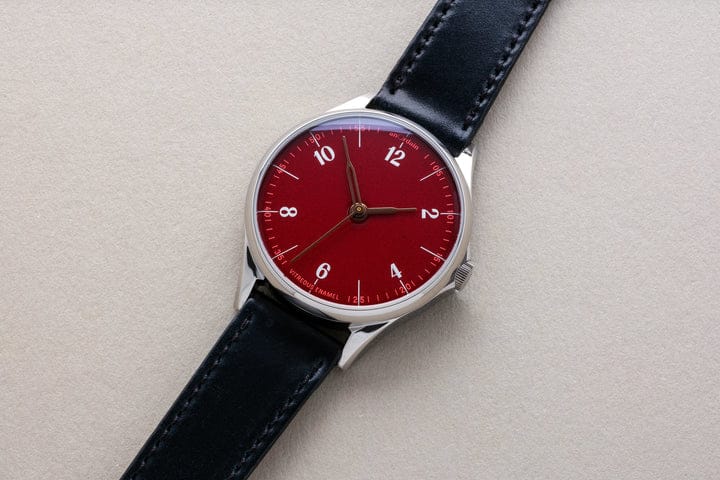
The anOrdain Model 1 stands out in today's watch market for one compelling reason: its handcrafted vitreous enamel dial. While most watches at this price point use painted or printed dials, this Scottish watchmaker builds each dial by hand using traditional techniques that date back centuries. The Model 1's enamel dial requires 6 to 9 layers of powdered glass fired at temperatures between 800 to 1,200°C, with each dial taking an experienced craftsperson 8 to 10 hours to complete.
When you look at enamel dial watches, you're seeing a craft that nearly disappeared from watchmaking. The process is difficult and unforgiving. Specks of debris, cracks from heat, or bubbles in the surface can ruin hours of work. Many dials end up in the scrap pile before one perfect example emerges.
This review examines how anOrdain builds these dials and what makes the architecture of the Model 1 worth your attention. You'll learn about the construction methods, materials, and design choices that set this watch apart from alternatives in its price range.
Key Takeaways
- The anOrdain Model 1 features handcrafted vitreous enamel dials that require multiple firings at extremely high temperatures
- Each enamel dial takes 8 to 10 hours to produce with a high rejection rate due to the demanding manufacturing process
- The Model 1 offers a rare combination of traditional enamel craftsmanship and accessible pricing compared to Swiss luxury alternatives
Overview of anOrdain and the Model 1
AnOrdain is a Scottish watchmaker based in Glasgow that has built its reputation on handcrafted enamel dials and accessible pricing. The Model 1 represents the brand's core philosophy of combining traditional craftsmanship with modern microbrand values.
Brand History and Glasgow Roots
AnOrdain watches takes its name from Loch an Ordain, a small body of water in the Scottish Highlands. The brand was founded in Glasgow, where it continues to operate today. The company established itself by focusing on a skill that had largely disappeared from affordable watchmaking: vitreous enamel dial production.
The brand spent over three years developing its enamel dial technique. During this time, the team tested more than 160 different enamel types from five countries before achieving consistent results. This development period consumed over 4,000 hours of work.
Glasgow serves as more than just a location for anOrdain. The city's industrial heritage and craft traditions inform the brand's approach to watchmaking.
Microbrand Influence and Design Philosophy
As a microbrand, anOrdain operates outside traditional watch industry structures. This allows the company to focus on specific craft techniques rather than mass production. The Model 1 fills a specific niche in the mechanical watch market by offering technical processes at reasonable price points.
The design philosophy centers on minimalism and functionality. You'll find clean design and vintage cues throughout the Model 1 lineup. The watches avoid trendy elements in favor of timeless proportions.
Each enamel dial requires at least 12 hours to create by hand. Many dials still end up discarded due to imperfections from the high-temperature kiln firing process.
Model 1 Variations and Positioning
The Model 1 comes in three case sizes: small, medium, and large. The original 38mm case became the standard, with the Large Model 1 at 41mm answering requests for a bigger option.
Dial options include solid colors and fumé finishes. Popular choices include cream, blue fumé, green fumé, and pink variants. Each dial type showcases the depth and luminosity possible with vitreous enamel on copper.
The watches retail between £2,000-£3,000 (approximately $2,500-$3,750). This pricing positions them as accessible luxury pieces rather than entry-level microbrands. You get hand-finished dials and Swiss movements at a fraction of traditional luxury watch prices.
The Enamel Dial: Craftsmanship and Techniques
The Model 1's enamel dial uses vitreous enamel techniques that fuse glass powder to metal through extreme heat. AnOrdain applies multiple layers of powdered enamel by hand, firing each at over 830°C to build depth and achieve rich, lasting colors.
Vitreous and Grand Feu Enamel Methods
Vitreous enamel, also called grand feu enamel, is the art of fusing glass to metal. This technique first appeared around the end of the 17th century but declined when painted metal dials became popular in the early 1900s. Only a handful of artisans worldwide still practice this craft today.
The process requires your dial to withstand kiln temperatures exceeding 830°C. AnOrdain's enamellers prepare a metal base, typically copper, which serves as the foundation. The base must be perfectly prepared because any imperfection will show through the translucent layers.
The completed enamel dial needs to measure a uniform thickness of 1.15mm inclusive of the metal base. It must be perfectly flat and flawless across its entire surface. Many dials still end up in the scrap pile due to defects from the extreme heat.
Powdered Enamel and Layering Process
Enamel is ground from lump form into a powder and applied by paintbrush, layer by layer, to the metal base. The kiln heats to more than 830°C and the powdered dial is fired. The exact time in the kiln varies depending on the chemical makeup of the enamel you're using.
Once removed from the kiln and cooled, your dial is checked for inclusions or bubbles. These imperfections are removed and refilled between each firing. The process repeats until the correct depth of color and height are achieved.
The final firing gives your dial a smooth sheen. Two points of enamel are removed from the reverse, and dial feet are soldered to the exposed copper to secure the dial to the watch movement. The dials undergo traditional pad-printing for markers and text before the ink is cured.
Mastering Color and Texture
AnOrdain's journey to master colored dials took significant dedication. The company spent over 4,000 hours across three years trying over 160 enamel types from five different countries before making a dial they could keep. This research, guided by their first resident jeweller Adam Henderson, established the foundation for their current expertise.
The fumé dials represent a unique innovation in enamel technique. While experimenting with enamel on a silver blank, enamellers discovered the metal tended to warp and dome. When sanded flat, the enamel's interplay with the metal formed an attractive gradient effect.
Transparent enamel applied to stamped silver creates the fumé's distinctive appearance. The challenge lies in preventing cracking as the dial rapidly heats and cools—silver and enamel expand and contract at different rates. With fumé dials, the enamel is only a tenth of a millimeter thick in places, making this particularly difficult.
Design Architecture of the Model 1 Enamel Dial
The Model 1's dial architecture centers on maximizing visibility of the vitreous enamel surface while maintaining legibility through carefully positioned typography and markers. The design strips away common elements like a rehaut to let the enamel extend to the case edges, creating an optical illusion of greater depth.
Dial Layout and Arabic Numerals
The dial layout positions the "anOrdain" wordmark at nine o'clock, where it follows the downward curve of the dial surface. This placement can create shadows that make the logo appear slightly compressed against the dial's edge.
The Arabic numerals on the outer minute track draw inspiration from Scottish Highland cartography. The font sits between antique and modern styles with semi-serif characteristics. Each numeral maintains consistent weight except for the "4" and "8," which appear slightly compressed compared to other digits.
The typography choice eliminates a date window entirely. This decision keeps your focus on the enamel dial without interruption. The numbers provide vintage appeal while staying readable at various angles and lighting conditions.
Depth, Taper, and Surface Effects
The dial achieves its depth through six to nine layers of enamel, all compressed to exactly 1.15 millimeters thick. The double-domed sapphire crystal with six layers of anti-reflective coating allows you to see subtle textures and tiny flecks in the enamel surface.
Without a rehaut, the dial curves downward at its edges before meeting the case interior. This creates an optical effect where the dial appears to be solid glass from crystal to lower enamel layers. The steeply chamfered bezel amplifies this effect by maximizing dial diameter within the 38-millimeter case.
The skeletonized syringe hands let enamel show through their centers. Estima manufactures these hands specifically for the Model 1, and they include no tail design to preserve the view of the dial's center dimple.
Minute Track and Hour Markers
The minute track features blue numerals printed at five-minute intervals around the dial perimeter. Line markers at each hour position intersect these numerals, literally cutting through numbers like 0|5, 1|0, and 1|5.
This intersection creates visual disruption that some find jarring while others appreciate as part of the watch's character. The markers extend outward far enough to dip with the dial's downward curve, matching how the wordmark follows the same curvature.
The hour markers consist of simple printed lines rather than applied indices. This keeps the dial surface smooth and uninterrupted, reinforcing the emphasis on enamel depth rather than dimensional elements.
Case Construction and Materials
The Model 1 uses a 38mm stainless steel case with specialized hardening treatment and features a domed sapphire crystal for dial protection. The case dimensions and finishing details directly impact how the watch wears on your wrist.
Hardened Stainless Steel Case Engineering
Your Model 1's case receives a specialized surface treatment that increases its hardness to 800 Vickers. This makes the steel about five times harder than ordinary stainless steel.
The hardened stainless steel case resists scratches and everyday wear significantly better than untreated cases. This protective treatment helps preserve the brushed and polished finishes across the case surfaces.
The 38mm diameter keeps the watch compact and versatile. The case features blade-shaped lugs with small arrowhead-shaped cutouts where the inside edge of the lug meets the case.
Lug-to-Lug Dimensions and Wearability
The Model 1 maintains proportions that work well on smaller to medium-sized wrists. The blade-shaped lugs taper elegantly from the case body without extending too far beyond the main case diameter.
These lug proportions allow the watch to sit comfortably without overhanging your wrist. The 38mm case diameter combined with the refined lug design creates a balanced appearance that suits both casual and formal settings.
Domed Sapphire Crystal and AR Coating
Your Model 1 uses a domed sapphire crystal to protect the enamel dial beneath. The curved profile of the crystal complements the dial's depth and allows light to interact with the enamel layers in different ways.
The sapphire crystal includes an anti-reflective coating that reduces glare. This AR coating helps you read the time clearly in various lighting conditions while also letting you appreciate the dial's finish without distracting reflections obscuring your view.
Movement Options and Watchmaking Details
AnOrdain equips the Model 1 with Swiss automatic movements that balance reliability with traditional watchmaking quality. You can choose between automatic and manual-wind calibers, with options for regulation and personalized caseback engraving.
Automatic and Manual Movements
The Model 1 primarily uses the ETA 2824-2 automatic movement, a Swiss workhorse known for its dependability. AnOrdain modifies this movement by removing the date complication to maintain the dial's clean appearance.
You also have the option of manual-wind movements in certain configurations. The Sellita SW210 manual movement offers a thinner profile and requires daily winding. Some limited editions feature the La Joux-Perret G100, which provides a more refined finishing compared to standard industrial movements.
All movements beat at 28,800 vibrations per hour and offer approximately 38-42 hours of power reserve. The ETA 2824-2 and its Sellita equivalent (SW200-1) are interchangeable calibers that service centers worldwide can maintain.
Customization and Regulation
AnOrdain regulates each movement in-house before assembly. Your watch arrives adjusted to run within COSC-comparable tolerances, though the brand doesn't seek official chronometer certification.
The regulation process involves testing the movement in multiple positions over several days. This hands-on approach ensures better timekeeping accuracy than factory-regulated movements typically achieve.
You can request specific regulation preferences when ordering directly from AnOrdain. The brand accommodates requests for slight adjustments to favor certain wearing positions.
Caseback and Engraving Features
The stainless steel caseback provides a view of the movement through a sapphire crystal exhibition window. You can see the movement's Geneva stripes, blued screws, and rotor decoration.
AnOrdain offers personalized engraving on the outer caseback rim. The engraving accommodates short messages, dates, or initials without interfering with the crystal viewing area.
The caseback secures with six screws, ensuring proper water resistance to 50 meters. This screw-down design allows watchmakers to service the movement without specialized tools.
Straps, Comfort, and Everyday Utility
The Model 1 pairs its enamel dial with quality European materials on the wrist. The German-made straps use Italian Shell Cordovan or hypoallergenic suede that match the watch's refined aesthetic while providing practical comfort for daily wear.
Suede and Leather Strap Choices
anOrdain offers two primary strap materials for the Model 1. The Shell Cordovan leather option delivers a traditional dress watch appearance with a polished finish. This leather comes from Italian tanneries and gets assembled in Germany.
The hypoallergenic suede alternative works well if you have sensitive skin or prefer a softer texture. Both strap types feature understated colorways that keep attention on the enamel dial rather than competing with it. The quality construction means these straps should last through regular wear without premature breakdown or excessive stretching.
You won't find flashy stitching or bold colors here. The design philosophy keeps everything subdued so the enamel remains the focal point.
18mm Fit and Gray Suede Option
The Model 1 uses an 18mm lug width, which is narrower than many modern watches. This sizing matches the vintage-inspired design and the 38mm case diameter. The proportions look balanced on the wrist without the strap appearing too thin or too wide.
The gray suede strap stands out as a versatile choice. It pairs naturally with the Iron White dial variant while still working with other colorways. The neutral gray tone transitions easily between casual and semi-formal settings.
Changing straps is straightforward with the standard spring bar setup. You can swap between different materials or colors to match your outfit or occasion.
Dress Watch Versatility
The Model 1 functions primarily as a dress watch but adapts to more casual situations. The 50-meter water resistance provides basic splash protection for handwashing or light rain. You can wear it to the office with a suit or pair it with jeans on the weekend.
The hardened steel case rated to 800 Vickers means the polished finish resists scratches better than standard stainless steel. This durability lets you wear it more frequently without worrying about every bump or contact with hard surfaces.
The 38mm size fits under dress shirt cuffs easily. The curved lugs help it sit flat against your wrist even if you have a smaller wrist circumference.
Colorways, Limited Production, and Collectibility
AnOrdain's Model 1 lineup offers several distinct dial options, but availability remains constrained by the brand's handmade production methods. The combination of limited monthly output and high demand creates extended wait times that affect both new buyers and resale value.
Enamel Dial Colors and Fumé Variants
The Model 1 comes in multiple enamel dial colors including translucent blue, post office red, iron cream, pink, and black. Each enamel dial features a glossy, jewel-like finish created through traditional vitreous techniques.
The fumé variants represent a different approach to the dial. AnOrdain developed the world's first fumé enamel dial through years of refinement after a happy accident in 2019. These dials feature a sunburst gradient that shifts from light to dark across the surface.
Popular colorways like the Model 1 teal dial attract particular attention from collectors. The teal shade, also known as Eurasian Teal, showcases the vibrancy possible with enamel work.
Production Process and Waitlist Realities
AnOrdain spent over 4,000 hours across three years testing more than 160 enamel types from five countries before achieving consistent results. Even with refined processes, many dials end up discarded due to imperfections from kiln firing.
The brand produces approximately 40 dials per month. This limited output creates substantial waitlists for new orders. You should expect extended lead times when ordering directly from AnOrdain, as production capacity cannot scale quickly without compromising the handmade nature of each dial.
Market Value and Lead Times
The enamel versions typically cost between £2,000–£3,000, positioning them at a premium within the microbrand segment. The starting price sits around 1850 GBP for certain configurations.
Lead times vary based on dial choice and current order volume. The combination of limited production and growing brand recognition means you may wait several months for delivery. This scarcity contributes to strong resale values for discontinued colorways or special editions.
anOrdain Model 1 in Context: Alternatives and Comparisons
At roughly $1,330 to $3,000 depending on the dial, the Model 1 sits in a competitive space where you'll find established Swiss brands, Japanese enamel specialists, and emerging microbrands all offering their own take on traditional watchmaking.
Comparing to Swiss and Japanese Enamel Watches
The Seiko Presage enamel collection offers your most direct Japanese alternative. Models like the Seiko Presage SPB113 feature Grand Seiko-made enamel dials at prices starting around $1,200 to $2,400. You get proven reliability with Seiko's 6R movements and strong build quality, though the designs lean more formal and traditional.
Swiss options push prices significantly higher. Brands using enamel dials typically start above $5,000, making anOrdain's vitreous enamel techniques remarkably accessible by comparison. The trade-off comes in heritage and finishing refinement.
Lundis Bleus operates in similar territory to anOrdain. This French microbrand focuses on colorful enamel dials with vintage-inspired designs, though their production volumes and case finishing differ from the Scottish approach.
Microbrand and Industry Peers
Your microbrand alternatives rarely match the dial craftsmanship. Most use printed or painted dials rather than true vitreous enamel fired in kilns up to 2,000 degrees Fahrenheit.
The Ball Trainmaster Standard Time offers comparable dressy styling with a similar 40mm case and time-only display. You'll pay around $1,200 to $1,800, but Ball uses standard printed dials rather than the handmade enamel that anOrdain produces.
Farer competes on color and design creativity. Their watches use textured dials and come in bold hues, though they skip the enamel process entirely. You save money but miss the depth and luster that only glass-based enamel delivers.
Frequently Asked Questions
The anOrdain Model 1's enamel dial raises specific questions about its construction, appearance, and reception in the watch community. These answers address the technical processes, design choices, and practical considerations that define this Scottish watchmaker's approach to traditional dial-making.
What are the key features of the anOrdain Model 1 enamel dial?
The anOrdain Model 1 features a vitreous enamel dial made in-house using traditional grand feu techniques. Your dial measures 1.15mm in total thickness, including the metal base beneath the enamel layers.
Each dial requires between 6 and 9 individual layers of enamel to achieve the proper depth of color and finish. The enamel creates a glossy, jewel-like surface that doesn't fade over time.
The copper base supports the enamel layers, which are fired at temperatures between 800 and 1,200 degrees Celsius. This creates an extremely hard-wearing surface that's protected by the watch case.
How does the anOrdain Model 1's enamel dial compare to traditional watch dials?
Enamel dials offer a lustrous finish that metal dials with painted or printed surfaces cannot match. The color you see in an enamel dial comes from glass compounds rather than paint or printing.
Traditional metal dials became popular in the 20th century because they're easier and less expensive to produce. Enamel dial-making requires specialized skills that only a handful of artisans practice, mainly in Switzerland and Japan.
Your enamel dial will maintain its appearance indefinitely, while printed or painted dials can fade or discolor over time. The production method results in higher rejection rates and costs compared to modern dial-making techniques.
What is the process behind creating anOrdain Model 1's enamel dial?
anOrdain's enamel dial production begins with cutting a copper blank and soldering dial feet to it. The powdered enamel gets applied either by sieving an even layer or mixing with water and brushing across the surface.
Each layer requires firing in a kiln before the next application. The dial must be sanded flat between firings to build up the layers evenly.
An experienced enamelist spends 8 to 10 hours on average producing a single dial. The two silversmiths responsible for enameling produce just eight dials per week.
Many dials end up discarded due to defects like debris from the kiln, cracking at temperature, or bubble formation. anOrdain spent over 4,000 hours across three years testing over 160 enamel types from five countries before achieving consistent results.
Are there any notable variations of the anOrdain Model 1 dial colors and designs?
The Model 1 lineup includes four opaque enamel options: Iron Cream, Post Office Red, Pink, and Hebridean Blue. You can also choose a Translucent Blue dial, which represents an exception to the typical opaque enamel approach.
Opaque enamels create solid colors that completely cover the copper base underneath. The translucent option required significant development work because copper typically blackens with heat, creating a dark and muddy appearance through transparent enamel.
Different enamel colors present varying levels of difficulty during production. Some colors prove more problematic than others, affecting both production time and rejection rates.
The brand sources enamels from approximately six manufacturers, primarily located in the UK and France. Most British enamels come from the Stoke-on-Trent area, known for pottery glazes and dyes.
How does the anOrdain Model 1's design influence its legibility and aesthetic appeal?
The 38mm case size provides a clean, minimalist canvas for the enamel dial to stand out. Your dial needs to be perfectly flat and flawless across its entire surface to meet watchmaking standards.
The enamel's smooth, glossy finish creates depth that appears to glow from within. This effect comes from the multiple layers of fired glass rather than surface treatments.
The simple design allows the dial's color and finish to take center stage. Each firing can introduce variations, making individual dials subtly unique even within the same color option.
What has been the reception of the anOrdain Model 1 enamel dial among watch enthusiasts?
Watch enthusiasts have responded positively to the quality and craftsmanship of the enamel dials. Reviewers note that the finish feels far above the £2,000-£3,000 price bracket where the Model 1 sits.
The collectible appeal stems from both the traditional technique and the Scottish production origin. You're getting a handmade enamel dial at a price point typically reserved for mass-produced alternatives.
Critics have praised specific colors for their visual impact. One reviewer described a visceral reaction to the blue fume dial, calling it a beautiful example of the grand feu enamel dial-making art.
The brand's transparency about their process and rejection rates has built trust with collectors. You understand what goes into making each dial and why production remains limited.